
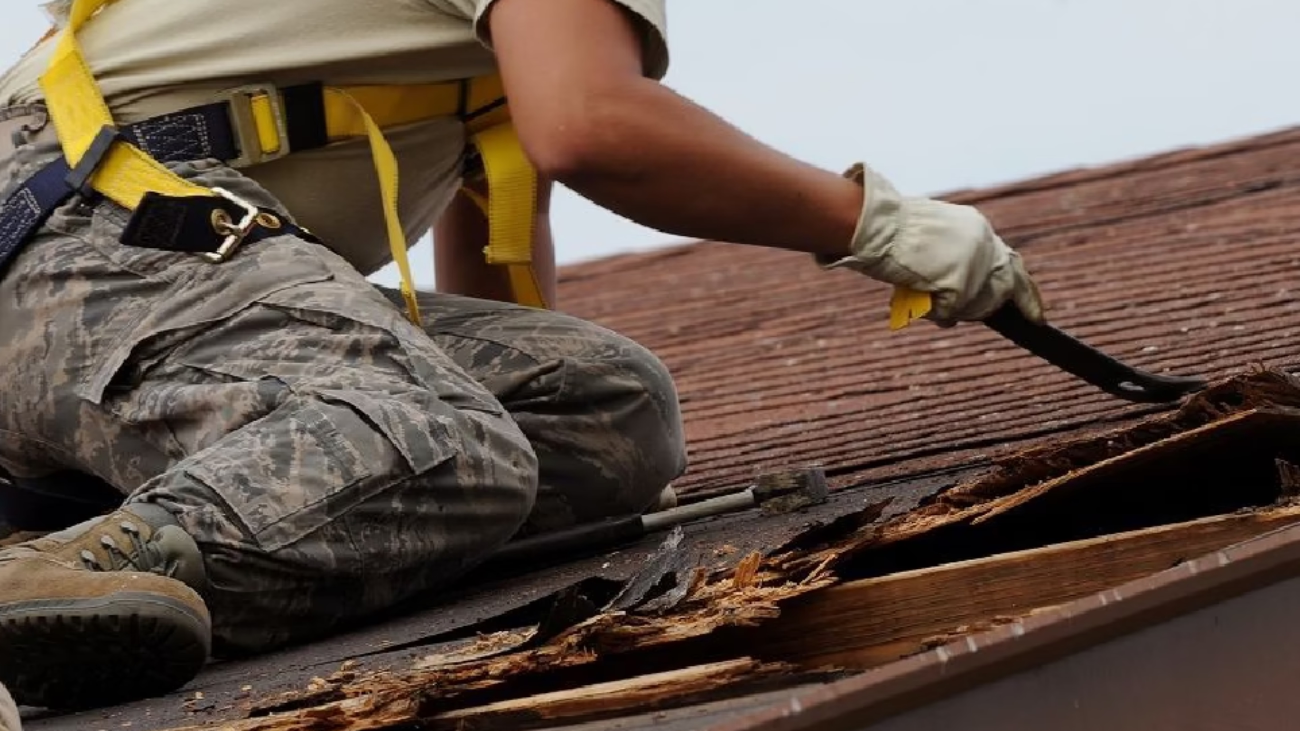
Living in Kansas City means experiencing every kind of weather — from blazing summers and freezing winters to heavy rains and hailstorms. While these seasonal changes define Midwestern life, they also take a serious toll on your home’s roof.
Understanding how local weather impacts your roofing system can help you spot early signs of roof damage and take preventive steps before small issues turn into costly repairs. Here’s what every Kansas City homeowner should know.
1. Spring Storms and Heavy Rainfall
Spring in Kansas City often brings thunderstorms, high winds, and torrential rain. These conditions can lead to:
- Loose or missing shingles
- Leaks around flashing or vents
- Clogged gutters and standing water
When water seeps beneath roofing materials, it can cause wood rot, mold, or even structural damage. That’s why scheduling a roof inspection after a storm is so important.
2. Hot Summers and UV Damage
Kansas City summers regularly reach the upper 90s — and direct sunlight can bake your shingles for months.
Over time, UV rays dry out the materials, causing them to become brittle, curl, or crack. This leaves your roof more vulnerable to leaks during the next rainfall.
Metal and reflective roofing systems are more heat-resistant and energy-efficient, making them a great long-term investment for Missouri homeowners.
3. Fall Leaves and Moisture Buildup
Autumn brings cooler weather — and plenty of falling leaves. While beautiful, those leaves often accumulate in gutters, valleys, and roof edges, trapping moisture that encourages decay and moss growth.
When water sits too long, it can lift shingles or corrode metal flashing. Regular gutter cleaning and seasonal maintenance help extend your roof’s lifespan and protect your home’s foundation.
4. Winter Snow, Ice, and Freezing Temperatures
Winter is when Kansas City roofs are tested the most. Snow accumulation and ice dams can create serious stress on your roofing system.
Ice dams form when heat escapes through the attic, melting snow that refreezes at the edges of your roof. This trapped water can seep under shingles, causing leaks and water damage inside your home.
To prevent this, make sure your roof and attic are properly ventilated and insulated — and always clear snow safely or call professionals if buildup occurs.
5. Year-Round Wind Damage
Kansas City is no stranger to strong winds. Gusts can tear off shingles, loosen flashing, or lift roof edges, making your home more vulnerable to rain and debris.
Even moderate winds can cause gradual wear that weakens your roof over time.
After a windy day, do a quick visual check from the ground for missing shingles or uneven lines — these are early signs of wind damage.
6. How to Protect Your Roof from Kansas City Weather
Here’s how to stay ahead of weather-related roofing issues:
- Schedule bi-annual roof inspections — once before summer and once after winter.
- Keep gutters and downspouts clean to avoid water buildup.
- Replace damaged shingles immediately.
- Trim nearby trees to prevent branch impact during storms.
- Address small leaks early before they lead to major structural repairs.
🏡 Why Choose Happy Dad Roofing
Since 2015, Happy Dad Roofing has helped homeowners across Missouri and Kansas protect their homes from unpredictable weather.
Our expert team offers:
- Storm damage roof repair
- Roof replacements and maintenance
- Gutter, siding, and insurance claim assistance
We know Kansas City weather — and we know how to build roofs that last.
📞 Schedule Your Roof Inspection Today
Don’t wait for leaks or hail damage to worsen. Let the trusted experts at Happy Dad Roofing assess your roof and keep your home protected year-round.
📍 Address: 4601 E 12th St, Kansas City, MO 64127
📞 Phone: (816) 905-6556
📧 Email: sales@happydadroofing.com
Request your free roof inspection today and protect your home from Kansas City’s ever-changing weather.
FAQs
Q1. How often should I inspect my roof in Kansas City?
At least twice a year — once after winter and again after storm season.
Q2. What is the most common type of roof damage from Kansas City storms?
Wind and hail damage leading to cracked or missing shingles, leaks, and flashing issues.
Q3. Does homeowner’s insurance cover storm damage?
Yes, most policies cover weather-related roof damage. Our team can help you file and manage your claim.
Q4. Can I prevent ice dams on my roof?
Yes — ensure your attic is properly insulated and ventilated, and clear snow before it builds up.
Q5. How long does roof repair take?
Most minor repairs are completed in a single day, depending on the extent of the damage.